
A Guide to Materials, Construction & Lasting Quality
Choosing kitchen cabinets is about more than appearance, it’s about creating a space that feels intentional, refined, and built to last. The right cabinetry should elevate your home, function effortlessly, and maintain its beauty for years to come.
Homeowners often ask:
What are the best kitchen cabinets?
The answer depends on several factors, including construction quality, materials, door style, and how the cabinetry is built to perform over time. Understanding these differences is the first step toward making a confident, long-term investment in your home.
What Defines a High-Quality Cabinet?
Well-crafted cabinetry is immediately recognizable, not just in how it looks, but in how it feels and performs over time.
The best cabinets are built with:
- Structurally sound cabinet construction
- High-quality materials such as plywood, furniture board, and hardwoods
- Precision joinery methods such as mortise and tenon or blind mortise and tenon construction
- Dovetail drawer construction for strength and longevity
- Full-extension drawer systems for complete access
- Soft-close hinges that protect the integrity of the cabinet
- Finishes designed to resist wear, fading, and daily use
These details contribute to cabinetry that operates smoothly, maintains alignment, and performs beautifully for years to come.
Cabinet Materials: What Sets Them Apart
Plywood
Plywood is widely regarded as one of the most reliable materials used in cabinetry. Its layered construction provides strength, stability, and resistance to humidity, making it an excellent choice for cabinet boxes and structural components.
Best suited for: Homes where durability and long-term performance are priorities
Furniture Board
Furniture board is an engineered material commonly used in high-quality cabinetry. When manufactured properly, it provides a stable, consistent surface and allows for precise construction and finishing.
Best suited for: Cabinet interiors and engineered cabinet systems designed for consistency and efficiency
CombiCore
CombiCore combines plywood and engineered core materials to create a balance of strength, stability, and performance. It is often used in cabinetry where both durability and consistency are important.
Best suited for: Cabinet construction requiring a balance of structural integrity and material stability
MDF (Medium-Density Fiberboard)
MDF offers a smooth, consistent surface that is ideal for painted cabinet doors. It resists cracking and provides a clean, refined finish, particularly in modern and transitional designs.
Best suited for: Painted cabinetry with a seamless, polished appearance
Solid Wood
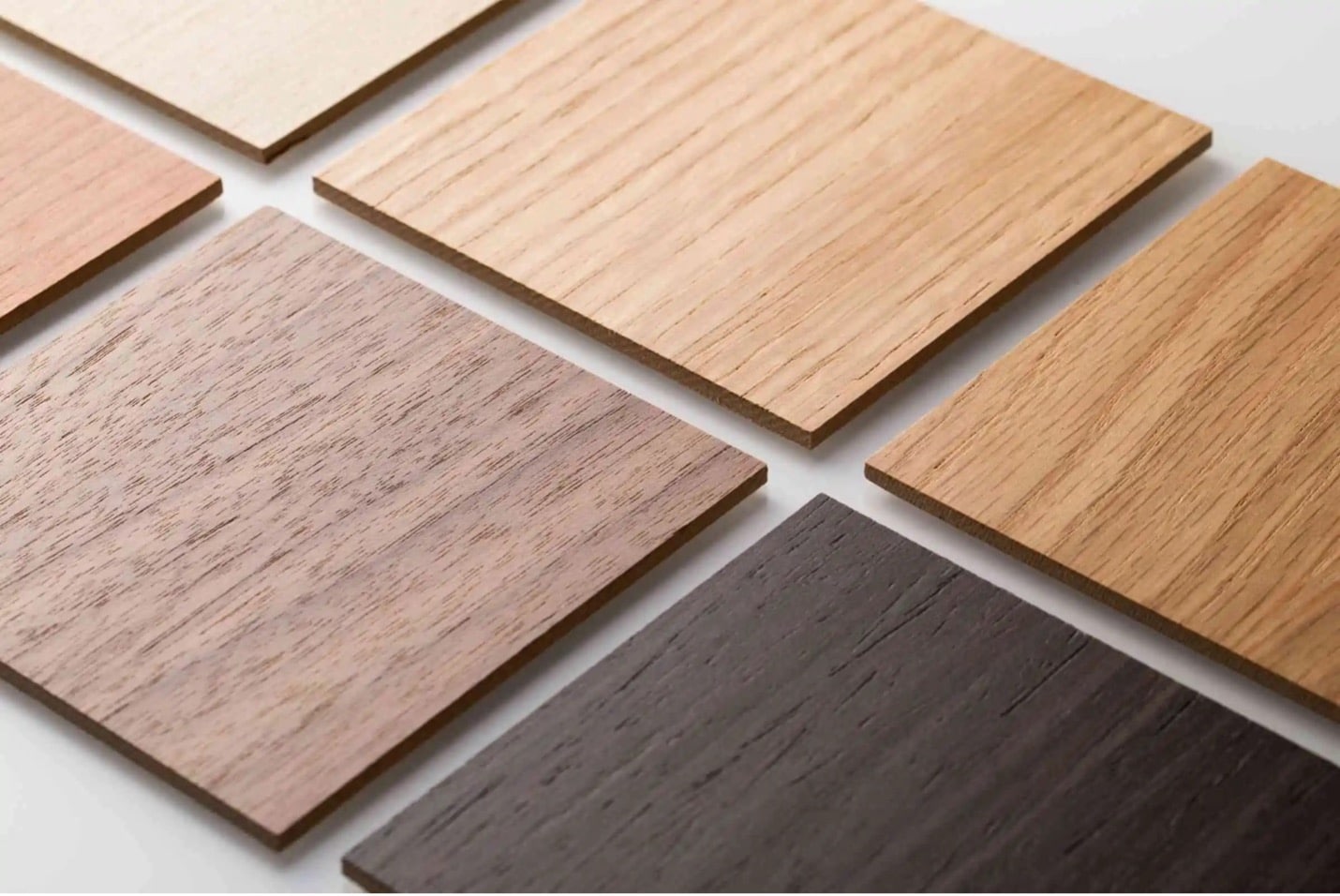
Hardwoods such as maple, oak, hickory, cherry, and walnut bring natural depth and character to cabinetry. Their grain patterns and richness add warmth and craftsmanship to a space.
Best suited for: Designs that highlight natural materials and timeless appeal
Particleboard
Particleboard is more commonly found in entry-level cabinetry. While it serves a purpose in certain applications, it typically does not offer the same durability or longevity as higher-end cabinet materials.

Cabinet Construction: Framed vs. Frameless
Framed Cabinets
Framed cabinetry features a face frame attached to the front of the cabinet box, offering added structure and a more traditional appearance. This style has long been used in American cabinetry and is available in three primary configurations:
- Traditional Overlay
- Full Overlay
- Inset
Each offers a different visual style and level of door exposure around the cabinet frame.
Frameless Cabinets (Full Access)
Frameless construction eliminates the face frame, allowing doors and drawers to attach directly to the cabinet box. The result is a clean, streamlined look with improved interior accessibility and a more contemporary aesthetic.
Choosing a Cabinet Style That Lasts
Cabinet style plays a significant role in how a space feels, not just today, but years from now.
Shaker Style Cabinets
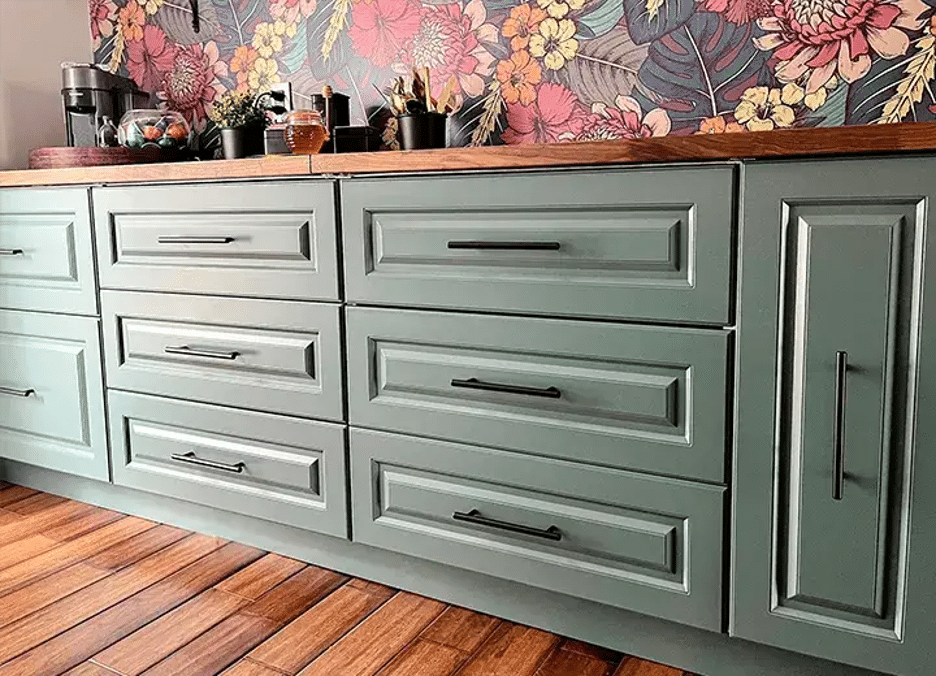
Shaker-style cabinetry remains one of the most popular and versatile cabinet styles available. Its clean lines and balanced proportions allow it to work beautifully in both traditional and contemporary homes.
Recessed Panel Cabinets
Recessed panel cabinetry includes both flat panel and reverse raised panel designs. These styles offer a clean, timeless appearance while maintaining depth and visual interest.
Slab Cabinets
Slab cabinet doors feature a flat, minimalist surface with little or no ornamentation. This style is commonly used in modern and contemporary kitchen designs.
Raised Panel Cabinets
With added depth and detailing, raised panel doors bring a more traditional and formal character to a space.
Features That Define Long-Term Performance
Beyond materials and style, the functionality of cabinetry is what homeowners experience every day.
Look for features such as:
- Mortise and tenon or blind mortise and tenon joinery instead of pocket screw construction
- Dovetail drawer construction
- Full-extension drawer systems
- Soft-close hinges and drawer glides
- Durable finish systems designed for long-term performance
These construction details help cabinetry maintain both its appearance and functionality over time.
Cabinet Finishes That Hold Their Value
Color and finish selection should feel intentional and enduring.
Some of the most timeless options include:
- Soft whites and warm neutrals
- Subtle gray tones
- Natural wood finishes with visible grain and texture
These finishes provide flexibility while maintaining a refined, cohesive aesthetic.
Common Questions About Kitchen Cabinets
What is better: plywood, furniture board, or particleboard?
These materials serve different purposes in cabinetry construction. Plywood is valued for strength and durability, furniture board provides consistency and efficiency in engineered cabinetry, and particleboard is more commonly associated with entry-level applications.
Are higher-end cabinets worth it?
Cabinetry is a long-term investment. Higher-quality construction, materials, and finish systems contribute not only to everyday functionality but also to the longevity and overall value of the home.
How long should kitchen cabinets last?
Well-built cabinets can perform beautifully for decades when properly installed and maintained.
A More Considered Approach to Cabinet Selection
Choosing cabinetry is not simply about selecting a product it’s about making informed decisions that shape how your home looks, feels, and functions every day.
At Cabinet Depot, we guide homeowners through that process with a focus on quality, craftsmanship, and long-term performance. From material selection to final installation, our team helps ensure every detail aligns with your vision and standards.
Visit Cabinet Depot to experience cabinetry in person and begin designing a space that reflects both your style and the way you live.