
When planning a kitchen remodel, cabinets are one of the most important decisions you’ll make. They define the look of your space, impact daily functionality, and play a major role in your home’s resale value.
But how do you choose kitchen cabinets that truly add value?
In this guide, we’ll walk through what matters most—from construction and materials to style and long-term durability—so you can invest wisely and confidently.
Why Cabinets Matter More Than Almost Anything Else
In most kitchens, cabinets account for a significant portion of the overall remodel budget. That’s because they do more than store dishes. Cabinets:
- Define the design style
- Influence workflow and storage efficiency
- Impact home appraisal value
- Set the tone for countertops and backsplash choices
Homebuyers consistently rank the kitchen as one of the most important rooms in a home. High-quality cabinetry signals that the space was thoughtfully designed and well maintained.
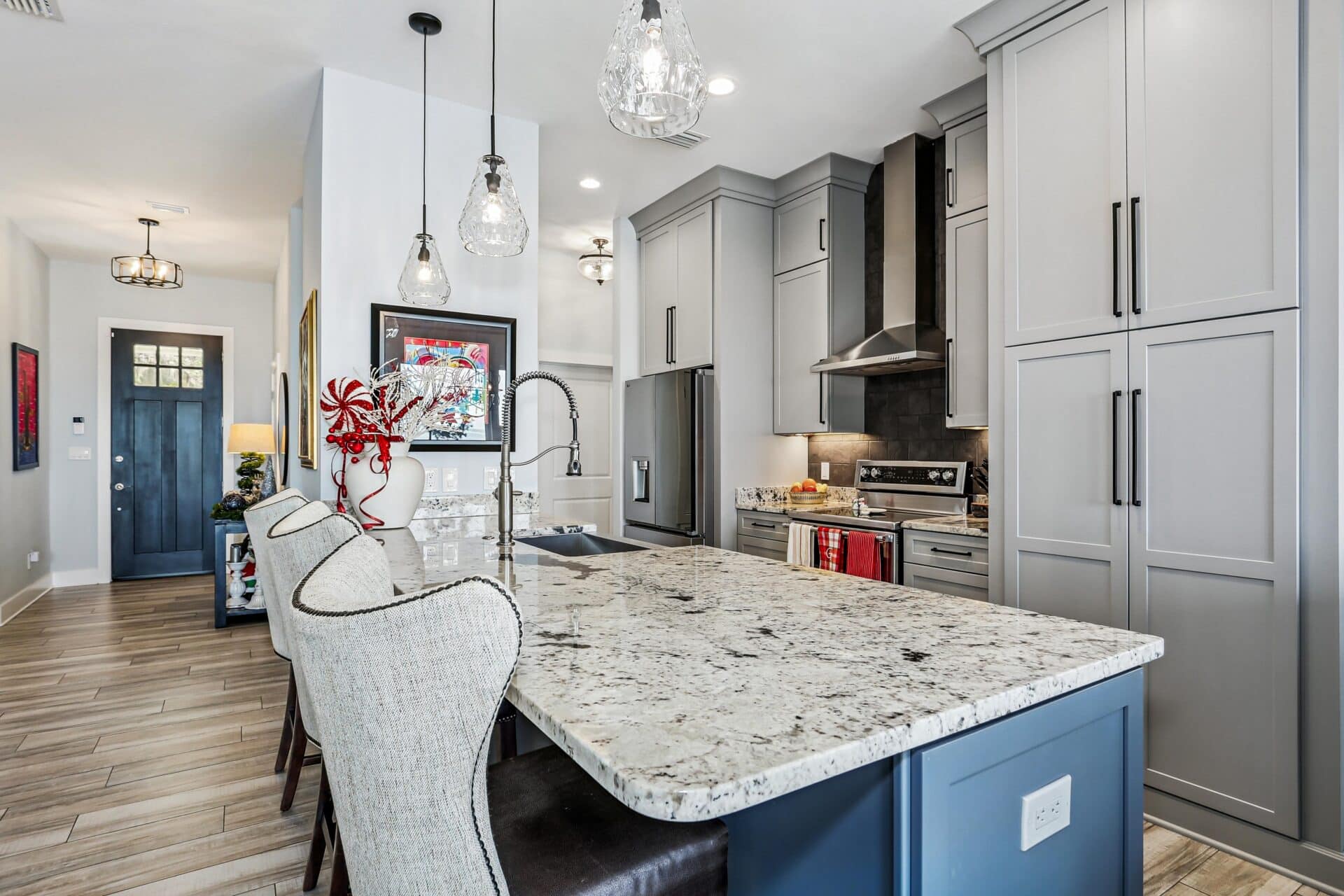
Prioritize Cabinet Construction Quality
Not all cabinets are built the same.
When comparing options, look at:
- Framed vs. Frameless construction
- Plywood vs. particleboard cabinet boxes
- Dovetail drawer joints
- Full-extension, soft-close drawer glides
- Concealed, adjustable hinges
These construction details directly affect durability. Cabinets that hold up over time maintain both functionality and home value.
If you’re unsure how to evaluate cabinet construction, a knowledgeable team like Cabinet Depot can walk you through the differences in person.
Choose Timeless Door Styles
Trendy designs come and go. Value comes from choosing a style that remains appealing for years.
Some consistently strong choices include:
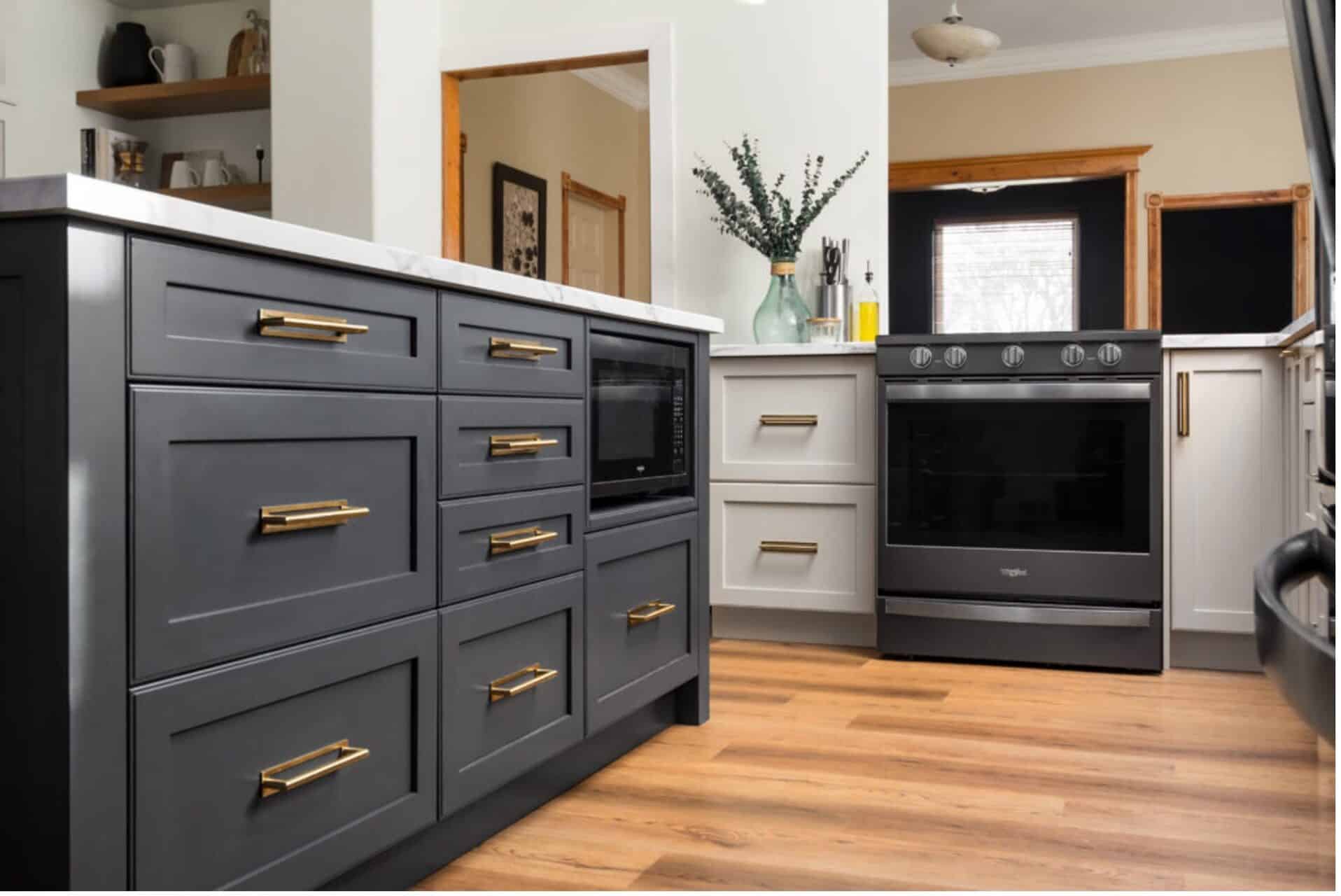
- Shaker-style doors
- Simple recessed (flat) panels
- Clean, full-overlay designs
- Neutral painted finishes
- Natural wood stains with subtle grain
These styles work across modern, traditional, and transitional homes. That flexibility makes your kitchen attractive to a wider range of buyers.
Invest in Functional Storage
Smart storage increases both daily enjoyment and resale appeal.
Consider features like:
- Roll-out trays in base cabinets
- Pull-out trash and recycling
- Custom-depth pantry cabinets
- Spice pull-outs
- Drawer organizers
- Tall cabinetry for additional vertical storage
Storage upgrades make kitchens feel larger, more efficient, and more customized.
Balance Budget with Long-Term Durability
Budget matters—but so does longevity.
Entry-level cabinets may cost less upfront, but higher-quality materials and construction can prevent sagging doors, misaligned drawers, and surface wear over time.
Think of cabinetry as a long-term investment rather than a short-term expense.
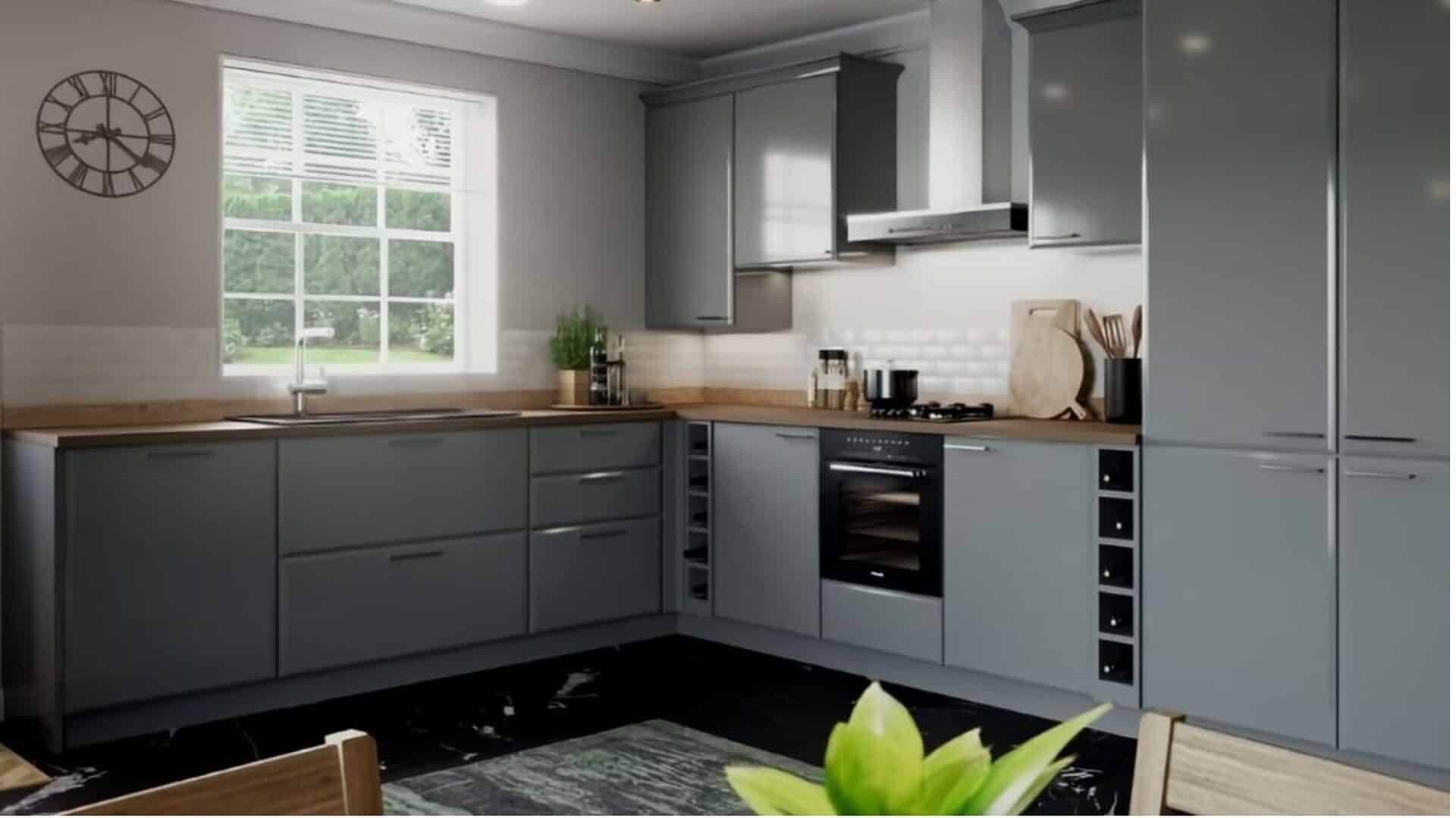
Coordinate Cabinets with the Overall Design
Cabinets don’t exist in isolation. Their color, finish, and hardware should coordinate with:
- Countertops
- Flooring
- Lighting
- Backsplash
- Wall color
For coastal homes, lighter finishes may enhance natural light. In more traditional spaces, warm stains can add depth. The goal is cohesion.
Common Questions About Kitchen Cabinets
What cabinet color adds the most value?
Neutral tones—white, soft gray, natural wood—tend to have the broadest appeal.
Are custom cabinets worth it?
Custom or semi-custom cabinets often provide better fit and storage solutions, which can increase perceived value.
Do soft-close drawers matter?
Yes. They improve daily use and signal quality construction to buyers.
Should I replace cabinets or just reface them?
If the cabinet boxes are structurally sound, refacing may work. However, full replacement allows for layout improvements and upgraded materials.
Cabinet Depot Helps You Make the Right Choice
Choosing cabinets isn’t just about appearance—it’s about function, durability, and long-term value.
At Cabinet Depot, our experienced team helps homeowners compare construction types, finishes, and storage solutions to find the right balance of beauty and performance. Whether you’re remodeling your forever home or preparing to sell, we’ll help you select cabinetry that adds real value.